
What is Enchanted Folk?
Quest or Tongari Boushi—is a relatively obscure Animal Crossing-inspired life simulation video game series. It was released on the Nintendo DS and 3DS, developed by Aquria & Vanpool and published by Konami. There are 4 entries in the series with the first one released in 2009 and the latest entry in 2012.In each game, you play as a young wizard attending a magic school. You are the only human student at the school, and because of this, the principal tasks you with solving mysteries and helping magical creatures. The games feature a real-time mechanic, like Animal Crossing, and as such, it is a fairly slow-paced game if you choose not to time travel!
While the games are reminiscent of Animal Crossing, it would be a stretch to call them a 'clones'. The gameplay loop of each game is distinct, growing more dissimilar to Animal Crossing with each entry.
Only the first game was ever translated into English, having a release in both the US and Europe. The rest of the titles were only released in Japan. At the time of writing this, there are two on-going translation projects for the 3rd and 4th game respectively.
Below, I will give a brief overview of each game and the major features that they introduced. Please note that I have only played the first and third game, and I cannot read Japanese! This makes gathering information for a game that's obscure difficult. Please feel free to reach out if you notice any error in my shrine. 
Enchanted Folk and the School of Wizardry (2009)
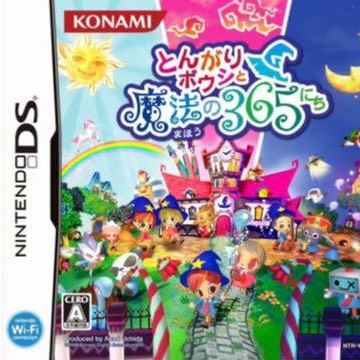
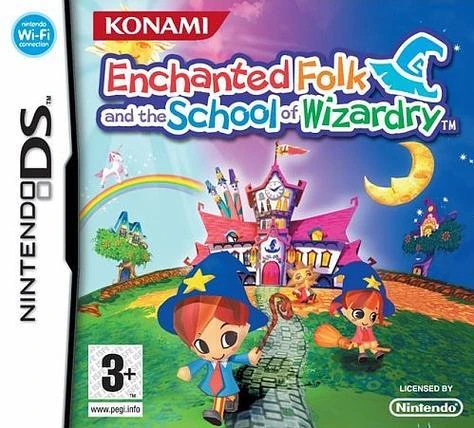 The game is also called Magician's Quest: Mysterious Times and Tongari Boushi to Mahō no 365 Nichi. This is the first title in the series and the reason the series has so many names. To clear up any confusion, the original Japanese version of the game, Tongari Boushi, was released in 2008. In 2009, the game was localized under the name Enchanted Folk and the School of Wizardry for the EU release, and later, the game was released in the US as Magician's Quest. The English name was changed for the American release presumably for marketing reasons.
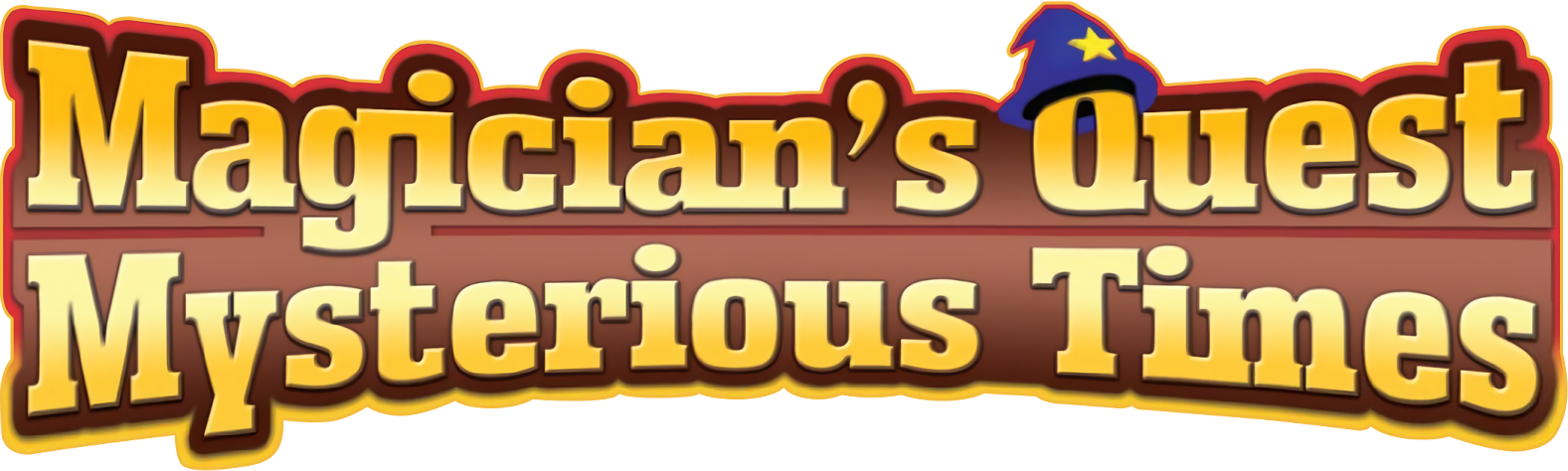
I personally prefer the Enchanted Folk name better, and despite being from the US, I actually grew up with the EU version of the game anyway. Plus, the Magician's Quest logo is extremely ugly and lacks the whimsy of the originals.
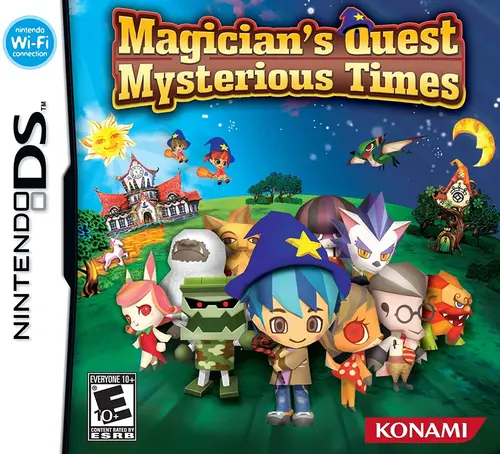
Regional Differences?
As far as regional differences between the two English versions of the game, there are very few. The most major difference is that the US version of the game—Magician's Quest—uses the original OST. Personally, the original OST is much better, and I would recommend the US version to all newcomers.
Tongari Boushi to Mahou no Omise (2010) - Magic Shop
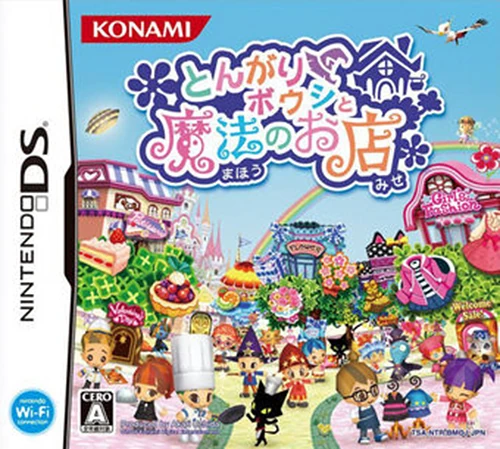 The second entry of the series is called Tongari Boushi to Mahou no Omise, literally Pointy Hats and the Magic Shop. Like the title implies, the main mechanic added to the game is the ability to run a shop.
Something important to understand about the 2nd and 3rd games is that they play exactly the same way as the original Tongari Boushi with added features. It's like the 1st game is the 'base game' and the 2nd and 3rd games are the base game + DLC.
In Magic shop, the player can run a store or shop at a classmates store. There are new features like cooking and sewing to create items for the shop. It's very fun and addresses the major issues with the game's economy. In the 'base game' it was extremely difficult to make money—which isn't really a big deal because the game doesn't rely on it's currency to progress. But it sure is nice to have a MUCH BETTER way of making money!
The game also include substantial quality of life improvements in addition to the new content.
Tongari Boushi to Oshare na Mahou Tsukai (2011) - Stylish Wizard
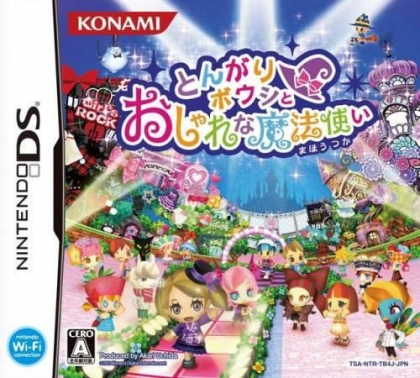
The third entry of the series is called Tongari Boushi to Oshare na Mahou Tsukai, literally Pointy Hats and the Stylish Wizard. This is the 'definitive' version of the DS games, being the most robust in features. It contains all the content from the first and second games while also introducing mechanics around being a model.
The clothing system is overhauled in a fun way. Instead of dragging clothing onto the player, you create a series of outfits making switching between clothes much more efficient, therefore incentivizing the player to wear lots of different clothes.
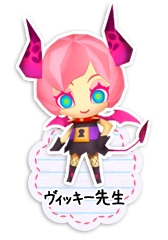
This game introduces Miss Vicky who is my favorite teacher in the series. I mean, just look at her! She looks like she could be Clover's sister. She teaches fashion, of course.
There is an ongoing translation project for this game, though it is far from complete. And the game itself, while fun, is extremely unstable even without the translation patch. I thought it was fun as a lifelong fan of the first game, but I wouldn't recommend it to new players at this point.
I have so much respect for the people working on this project in their freetime, especially for such an obscure game.
Tongari Boushi to Mahou no Machi (2012) - Magic Town
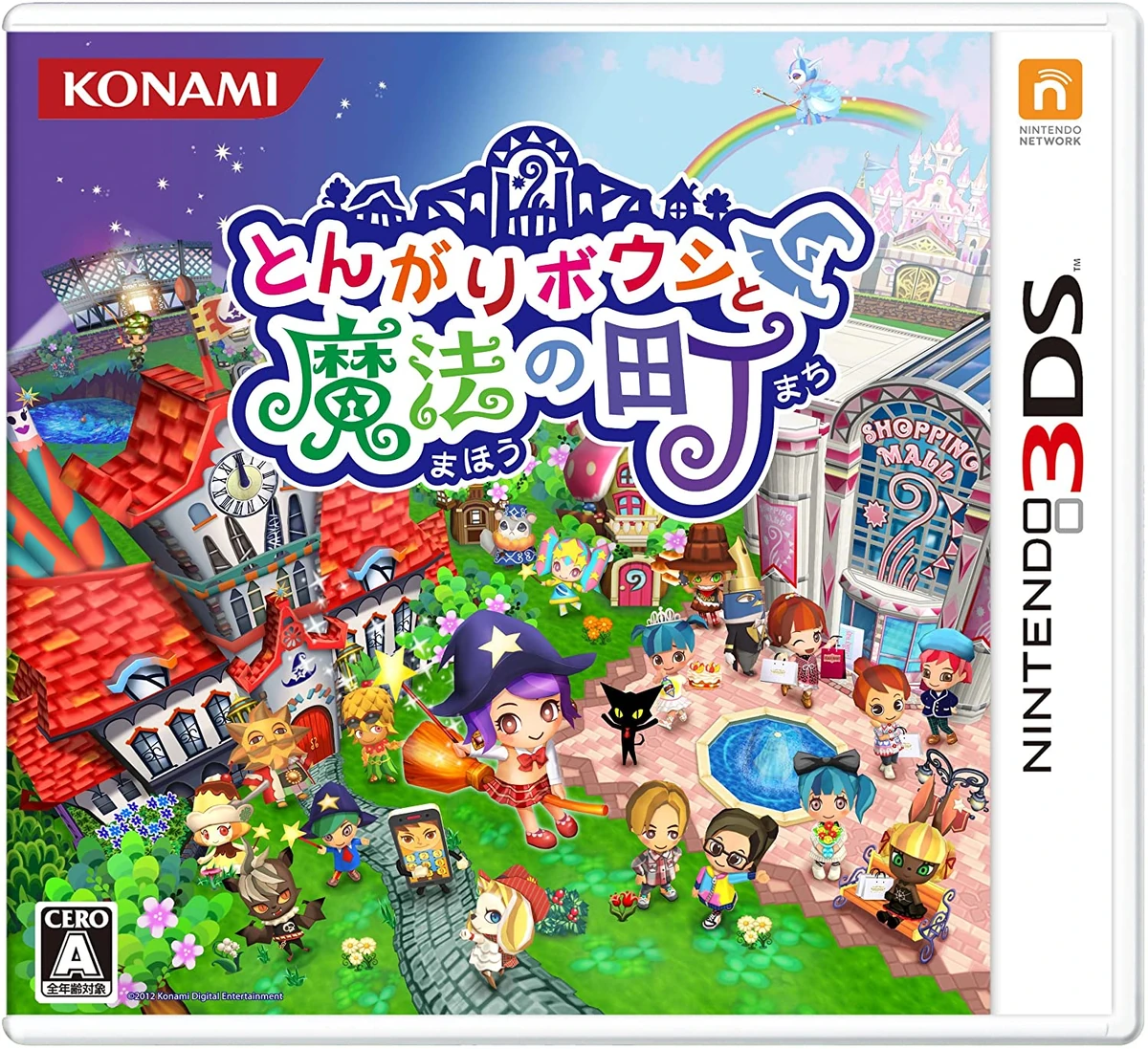
The fourth and final entry in the series is called Tongari Boushi to Mahou no Omise, literally Pointy Hats and the Magic Town. This is the only game for the Nintendo 3DS, and it works as semi-reboot of the series. The previous three games were essentially the same game with more features added. Magic Town is a stand alone experience, comparatively.
The main mechanic added with Magic Town is the mall where players can reprise their roles as a shop keeper. The map and look of the game is updated for 3DS, with redesigns of the town and characters taking advantage of the 3DS' graphical fidelity. Additionally, the game has much better performance, with the previous three games getting progressively laggier.
Unfortunately, many features are removed in this version of the game, hence its standalone nature. For example, a core piece of gameplay for the series is solving mysteries. In the previous three games, there were two kinds of mystery events. The first is player initiated mysteries, and the others are seasonal mysteries corresponding to the real-life calendar. In Magic Town, there are only seasonal mysteries.